What is Active Breathing?
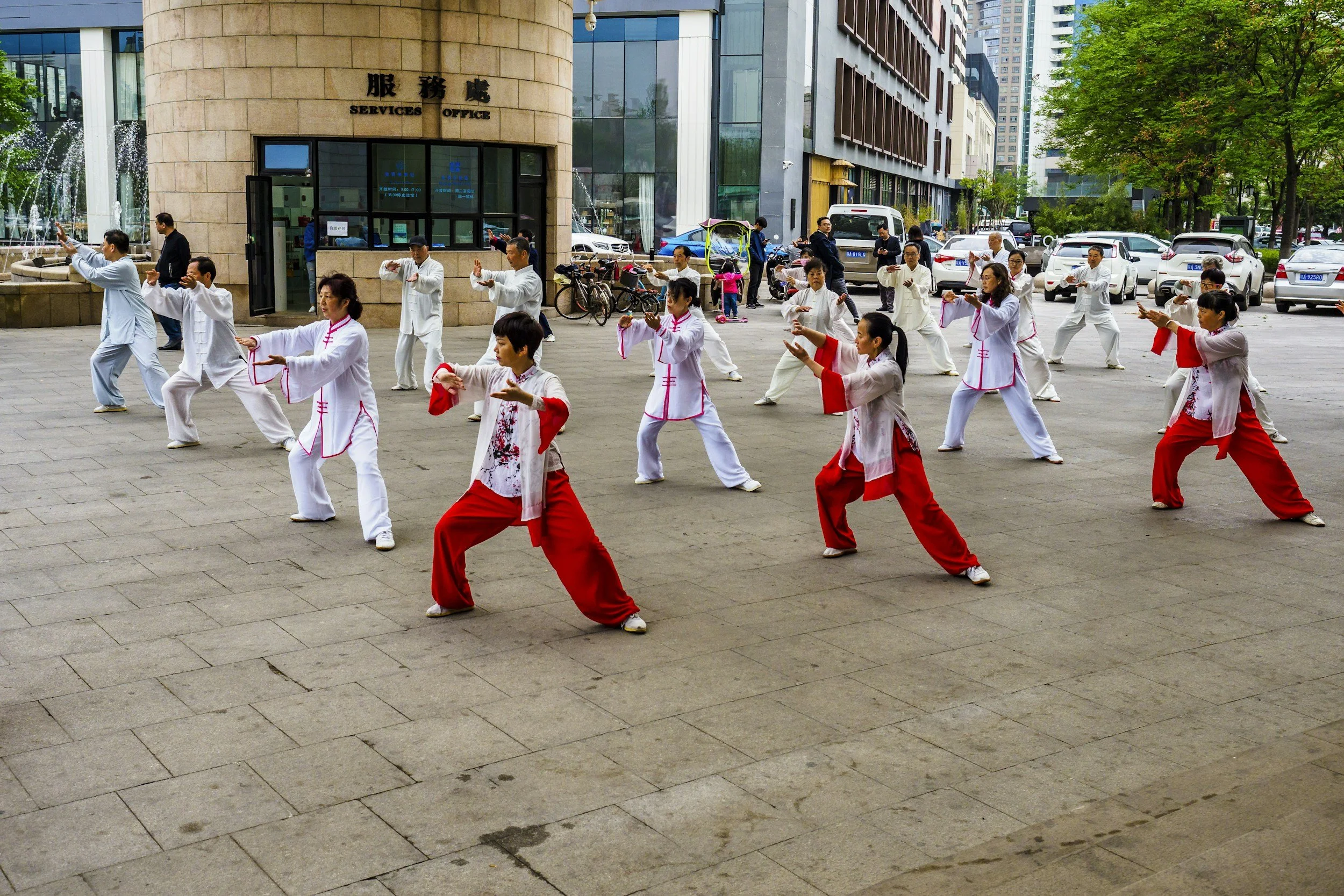
Active breathing, or Qigong, has been practiced for thousands of years in China, involved in various domains of Chinese society. Various aspects of training include:
-
Fluid movement coordinated with breath and awareness. As a form of gentle exercise, qigong is composed of movements that are typically repeated. Focuses include strengthening and stretching the body, increasing movement of blood and lymph fluid, enhancing balance and proprioception, and improving the awareness of how the body moves through space.
-
Involves holding postures for sustained periods of time. In some cases this bears resemblance to the practice of Yoga. Usually incorporated into practice in combination with dynamic movements, alternating between both.
-
Utilizes breath awareness in accordance with visualization, sound and prayer, regardless of the religious belief of the individual. The aim is to still the mind, either through outward focus, for example on a place, or through inward focus on the breath. Also practiced in combination with the other practice styles listed above.
Meet your instructor
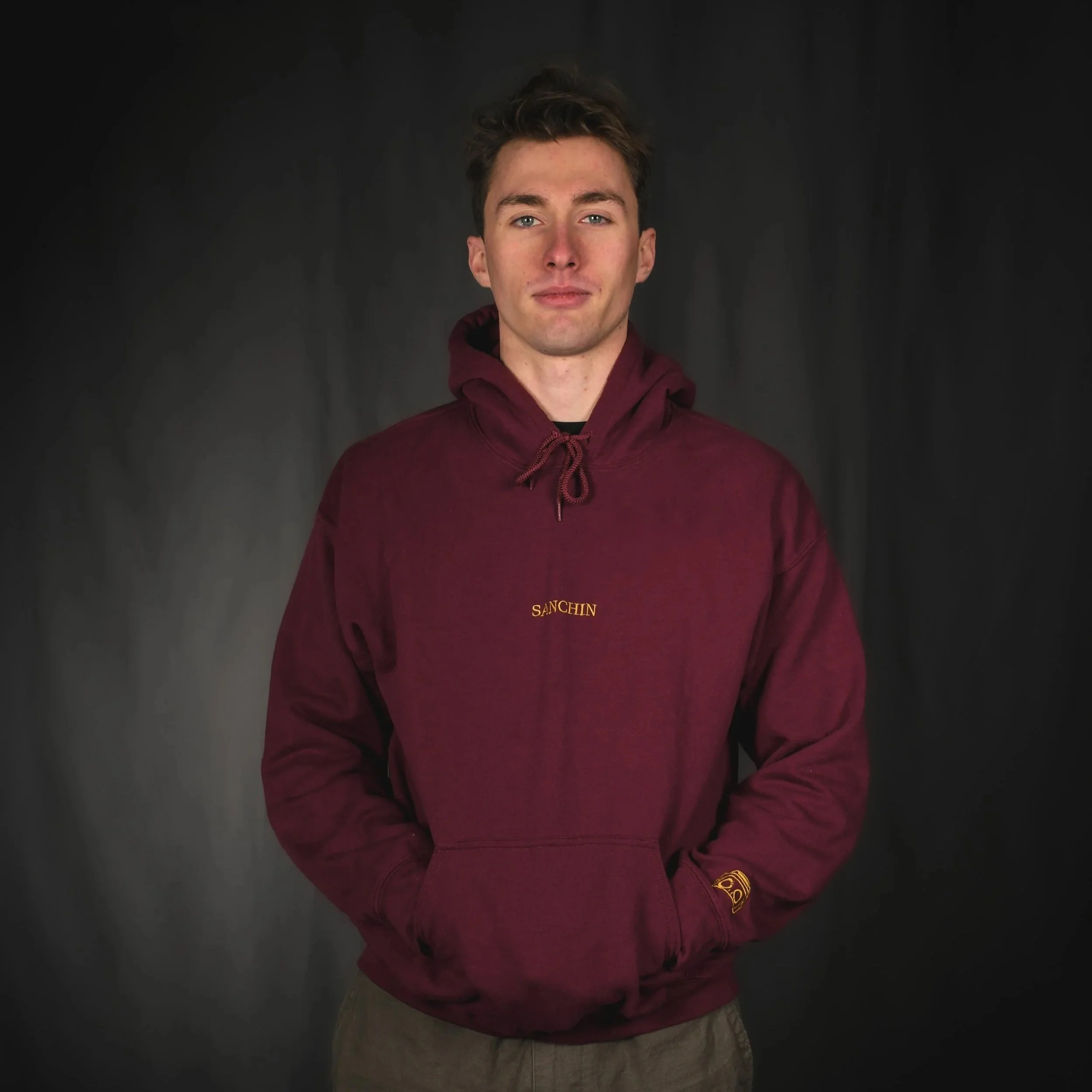
Devon Burns
With almost a decade of experience in martial arts education and Traditional Chinese practices such as Qigong and Tai Chi, Devon combines both traditional and practical methods into his teachings to help clients achieve their desired states. He spends free time staying up to date on the most current research surrounding these practices to ensure effective training.
Founder-
Though qigong has been linked to several Chinese religions such as Buddhism, Taoism and Confucianism, qigong is not confined to any religion, nor is there any religious practices or beliefs implemented into practice. All stand to benefit from practice regardless of belief!
-
All exercises can be modified or altered to fit your needs, all the while incorporating your breath! If you’re unsure about how to adapt a certain exercise based on your limitations, speak to your instructor or reach out to us through the contact page for any questions.
-
Qigong, just like all other martial arts, is complementary to your other practices. The movement and breathing involved will only serve to strengthen and expand your ability in your other practices, whether it be yoga, meditation, athletics, etc. It shouldn’t be viewed as a replacement, but rather an addition.
-
As weird as it may sound, no - you do not have to be either seated nor standing to practice qigong. Though there are exceptions, most if not all exercises can be adapted for both seated and standing practice, though it is commonly done standing.
-
The main demographics that are most at risk with qigong and breathing exercises in general are those that have had complications with cardiovascular disease (high blood pressure, cardiac arrest, stroke, etc.), epilepsy, glaucoma, retinal detachment, or severe psychiatric conditions. Women who are pregnant and individuals with asthma/breathing complications should consult with their doctor before starting practice.
Frequently Asked Questions
Contact us
Any questions? Fill out some info and we will be in touch shortly. We can’t wait to hear from you!