Intro Course
An introduction to the art, your instructor and access to the first educational folder - for free
-
-
Lower Gate
The initial gate, this exercise is meant to help warm up/wake up the body, as well as open the hips and relax the upper body for the following exercises.
The initial gate, this exercise is meant to help warm up/wake up the body, as well as open the hips and relax the upper body for the following exercises.
-
Middle Gate
Designed to help open the middle vertebrae, loosen the abdominal and intercostal muscles, and warm-up the shoulder and back muscles for the upper gate exercise.
Designed to help open the middle vertebrae, loosen the abdominal and intercostal muscles, and warm-up the shoulder and back muscles for the upper gate exercise.
-
Upper Gate
The third and final “gate”, this exercise is designed to open and loosen the upper vertebrae and shoulder blades, as well as the chest, back and shoulder muscles. Also strengthens the legs with a longer step.
The third and final “gate”, this exercise is designed to open and loosen the upper vertebrae and shoulder blades, as well as the chest, back and shoulder muscles. Also strengthens the legs with a longer step.
-
Introducing your instructor
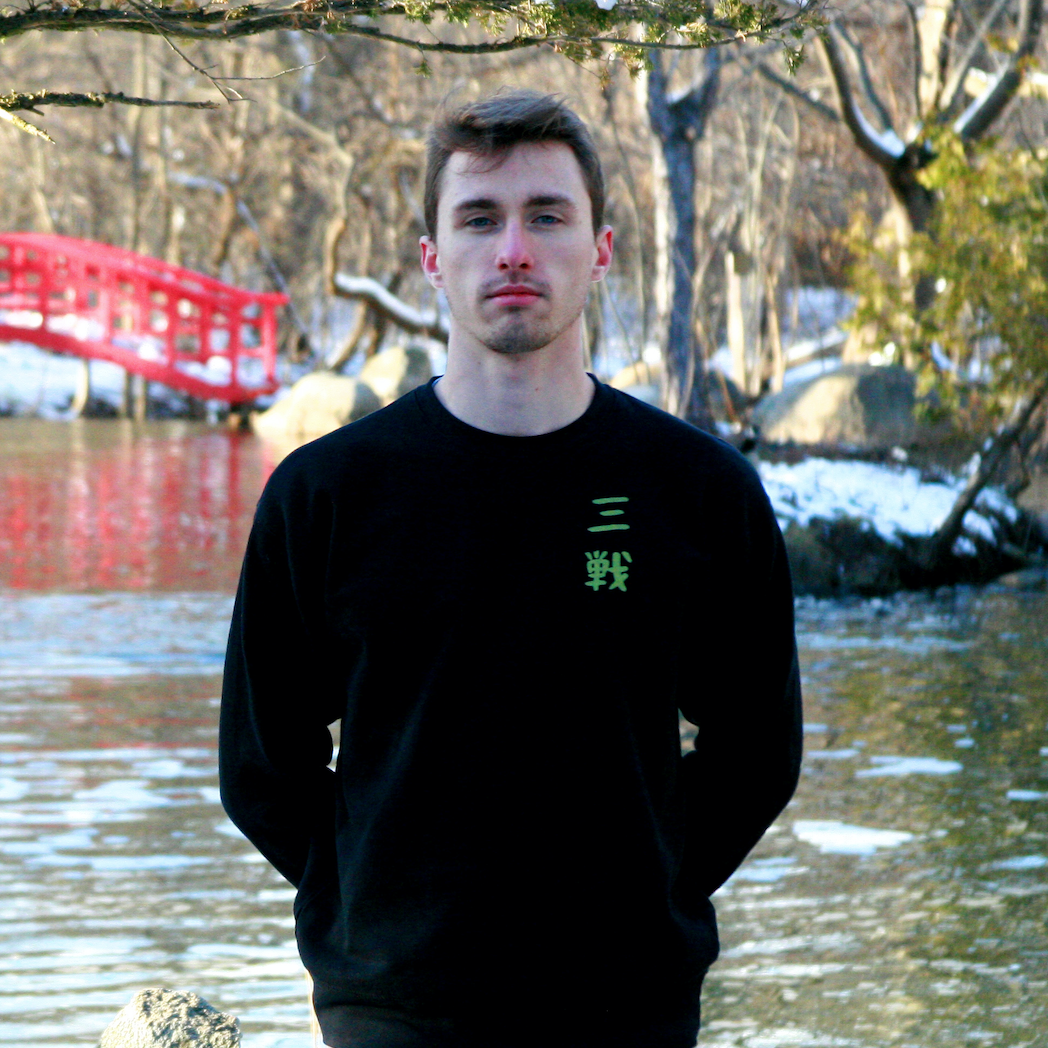
With almost two decades of experience in various martial studies, as well as almost a decade in both instruction and traditional Chinese practices, Devon has both the compassion and knowledge to help you learn and grow in your practice. With inclusion of all 3 common practices in active breathing (dynamic, static and meditative) in his classes and personal training, he incorporates an integrative approach designed to help clients achieve various states of focus, relaxation and increased energy.
He also has heavy interests in the science behind what he’s teaching, staying up to date on current research. Research includes potential benefits involved in training and complementary implications active breathing may have in accordance with other activities or treatments.
FAQs
-
Though qigong has been linked to several Chinese religions such as Buddhism, Taoism and Confucianism, qigong is not confined to any religion, nor is there any religious practices or beliefs implemented into practice. All stand to benefit from practice regardless of belief!
-
All exercises can be modified or altered to fit your needs, all the while incorporating your breath! If you’re unsure about how to adapt a certain exercise based on your limitations, speak to your instructor or reach out to us through the contact page for any questions.
-
Qigong, just like all other martial arts, is complementary to your other practices. The movement and breathing involved will only serve to strengthen and expand your ability in your other practices, whether it be yoga, meditation, athletics, etc. It shouldn’t be viewed as a replacement, but rather an addition.
-
As weird as it may sound, no - you do not have to be either seated nor standing to practice qigong. Though there are exceptions, most if not all exercises can be adapted for both seated and standing practice, though it is commonly done standing.
-
The main demographics that are most at risk with qigong and breathing exercises in general are those that have had complications with cardiovascular disease (high blood pressure, cardiac arrest, stroke, etc.), epilepsy, glaucoma, retinal detachment, or severe psychiatric conditions. Women who are pregnant and individuals with asthma/breathing complications should consult with their doctor before starting practice.